in News (submitted 2014-06-05)
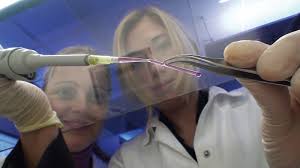
Sci-tech information: 3D-Printed Blood vessels Veins Could Be Used for Transplants
Using 3D-printing methods, researchers have created artificial blood vessels in a lab. The bioprinted components could be used for transplants or for examining new medication, researchers say.
Blood vessels are vital parts of the body's blood circulation program that supply the parts of the body with nutritional value and eliminate waste. Scientists have developed artificial cells from the heart, liver organ and respiratory system, but creating a artificial program of blood vessels to back up these parts of the body has been a task.
 "That's where technological innovation like bioprinting come in," said Ali Khademhosseini, a biomedical professional at Brigham and Women's Medical center in Birkenstock boston, and mature writer of a new research released online this month in the publication Lab on a Processor. "We're trying to create the right structure for cells." Past efforts to 3D-print blood vessels take one of two types, Khademhosseini told Live Technological innovation. Researchers either create the actual cells, or they create a framework on which to grow cells, which later melts. But publishing cells often loss or destroys them, and the dissolving components may contain ingredients that are dangerous to cells, Khademhosseini said.
Printing tissue
In this research, Khademhosseini and his team took a different strategy. They printed a design for cell growth that could be brought out later with no damage the cells.
The researchers printed a program of small programs out of agarose, a plastic made from seaweed often used for culturing cells, to provide as a design for the artificial blood vessels, and then included the program of paragraphs into a gel. On the gel framework, they increased rabbit cells that will become bone tissue.
The causing blood vessels could successfully transportation liquids, assistance residing cells and allow the cells to older, the researchers said. Furthermore, the cells changed themselves into a part of cells on the layouts.
The need for artificial ones is significant. In medication, the state-of-the-art treatment for defective blood vessels is a cells contributor implant, Khademhosseini said. But a lack of contributors prevails, and for sufferers who are fortunate enough to get a implant, their defense mechanisms may decline the foreign cells.
With the popular demand for cells for transplants, acquiring for examining medication or beauty products before they are used in people is nearly difficult, Khademhosseini said.
Not there yet
While appealing, this new technique of publishing blood vessels has its restrictions. For example, they can't create very small blood vessels, like capillary vessels, because the components aren't strong enough, the researchers said. However, if they create larger vessels, the cells could change to form smaller sized ones around them.
Another task is that the current publishing technique needs an starting to eliminate the design framework.
The researchers are working on helping the quality of their bioprinting technique and the components they use, as well as examining the 3D-printed components with residing cells, and eventually in residing creatures.
"We're far away from people, but I think [the technology] would be translatable," Khademhosseini said.
For more sci-tech details, goes to: http://en.twwtn.com/Information/
About the Author
Science & Technological innovation Globe Website provides you with modified sci-tech details all over the whole world.
Use and submission of this article is subject to our Founder Guidelines
whereby the unique writer's details and trademark must be included.
Poppy Huang
Poppy Huang
RSS Feed
Report
Publish
Print
Favorite
Sci-tech information: 3D-Printed Blood vessels Veins Could Be Used for Transplants
Using 3D-printing methods, researchers have created artificial blood vessels in a lab. The bioprinted components could be used for transplants or for examining new medication, researchers say.
Blood vessels are vital parts of the body's blood circulation program that supply the parts of the body with nutritional value and eliminate waste. Scientists have developed artificial cells from the heart, liver organ and respiratory system, but creating a artificial program of blood vessels to back up these parts of the body has been a task.
Printing tissue
In this research, Khademhosseini and his team took a different strategy. They printed a design for cell growth that could be brought out later with no damage the cells.
The researchers printed a program of small programs out of agarose, a plastic made from seaweed often used for culturing cells, to provide as a design for the artificial blood vessels, and then included the program of paragraphs into a gel. On the gel framework, they increased rabbit cells that will become bone tissue.
The causing blood vessels could successfully transportation liquids, assistance residing cells and allow the cells to older, the researchers said. Furthermore, the cells changed themselves into a part of cells on the layouts.
The need for artificial ones is significant. In medication, the state-of-the-art treatment for defective blood vessels is a cells contributor implant, Khademhosseini said. But a lack of contributors prevails, and for sufferers who are fortunate enough to get a implant, their defense mechanisms may decline the foreign cells.
With the popular demand for cells for transplants, acquiring for examining medication or beauty products before they are used in people is nearly difficult, Khademhosseini said.
Not there yet
While appealing, this new technique of publishing blood vessels has its restrictions. For example, they can't create very small blood vessels, like capillary vessels, because the components aren't strong enough, the researchers said. However, if they create larger vessels, the cells could change to form smaller sized ones around them.
Another task is that the current publishing technique needs an starting to eliminate the design framework.
The researchers are working on helping the quality of their bioprinting technique and the components they use, as well as examining the 3D-printed components with residing cells, and eventually in residing creatures.
"We're far away from people, but I think [the technology] would be translatable," Khademhosseini said.
For more sci-tech details, goes to: http://en.twwtn.com/Information/
About the Author
Science & Technological innovation Globe Website provides you with modified sci-tech details all over the whole world.
Use and submission of this article is subject to our Founder Guidelines
whereby the unique writer's details and trademark must be included.
Poppy Huang
Poppy Huang
RSS Feed
Report
Publish
Favorite

No comments:
Post a Comment
Thanks for Visiting us....... :)